Trump and Xi Set Sights on TikTok Deal as U.S. and China Seek Tech, Trade Truce
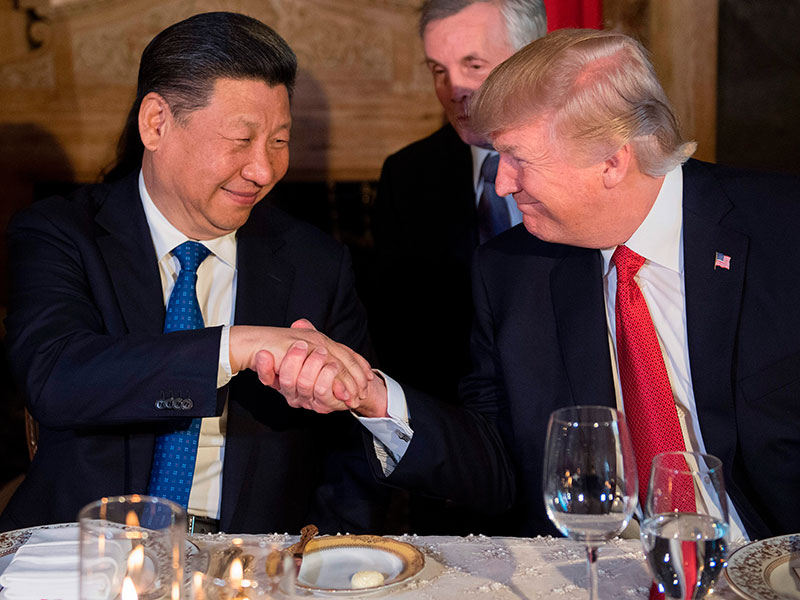
Leaders in Washington and Beijing are gearing up for high-stakes negotiations over the future of TikTok in the United States, with President Donald Trump and President Xi Jinping expected to finalize terms that could allow the app to continue functioning under new ownership and regulatory oversight. The talks—set against a backdrop of strained U.S.–China relations—center on data security, algorithm control, and broader issues of tech and trade policy. With deadlines looming and lawmakers demanding clarity, the outcome could reshape how digital platforms of foreign origin are regulated in the U.S.
What’s at Stake
TikTok—owned by China’s ByteDance—has been under intense scrutiny from U.S. authorities. Concerns focus on whether user data is accessible to the Chinese government, how recommendation algorithms influence content, and whether algorithms themselves pose a risk if controlled by foreign entities. In 2024, Congress passed the Protecting Americans from Foreign Adversary Controlled Applications Act (PAFACA), which mandates TikTok’s divestiture from ByteDance or face a ban by January 2025.
Although the law deadline passed, enforcement has been repeatedly postponed. An executive order recently extended the deadline to mid-December 2025. (AP News)
What the Proposed Deal Might Look Like
Officials report that a framework agreement has been reached which would restructure TikTok’s U.S. operations. Under this framework, TikTok’s U.S. assets may be transferred to American ownership or at least placed under tighter U.S. control. (The Washington Post)
However, a significant sticking point is the algorithm ByteDance developed—the engine driving most of what users see on TikTok. China has reportedly insisted on licensing the algorithm and other intellectual property rights, rather than removing all its control. Officials in Beijing have said that while U.S. user data and content security operations would be entrusted to U.S. partners, ByteDance may retain some influence under licensing agreements. (Financial Times)
Additionally, there is pressure from U.S. lawmakers, who argue that anything less than full divestment and algorithm separation would undermine the intent of federal law. Some congressional leaders warn that half measures could still expose national security gaps.
Political and Legislative Pressures
The TikTok issue has become a litmus test for how seriously the U.S. takes digital sovereignty and foreign influence. Congress has passed laws, and the Supreme Court affirmed in TikTok v. Garland the constitutionality of PAFACA, validating Congress’s concerns over national security and foreign adversary control.
Some within the Trump administration are also weighing how much ByteDance should retain, if any, control over non‐data elements, while ensuring that American user data is stored and managed under U.S. legal jurisdiction. Oracle has been often mentioned as a potential U.S. partner or controller of data flows.
Beyond TikTok, the negotiations are part of broader efforts between the U.S. and China to reduce tensions—not only over trade but also over tech restrictions, export controls, tariffs, and intellectual property. Washington wants assurances that any agreement will prevent the misuse of content moderation, propaganda, or foreign government influence via platforms operating within its borders. Beijing, meanwhile, sees the licensing of algorithms as a way of preserving its intellectual property and asserting its rights over ByteDance’s technology.
Timeline and Negotiation Process
In mid-September 2025, U.S. and Chinese officials reached a framework deal in Madrid. Treasury Secretary Scott Bessent and Chinese Vice Premier He Lifeng are reported to have negotiated the preliminary structure, which will now be refined in a phone call and possibly a summit involving Trump and Xi.
President Trump signed an executive order postponing enforcement of the earlier deadline for the divestiture until December 16, 2025.
Concerns and Criticism
Critics argue that the proposed deal—if it allows ByteDance to retain ownership of the algorithm or preserve a financial stake in TikTok U.S.—may leave vulnerabilities in place. They warn of continued potential for foreign influence over what content is promoted or suppressed, as well as risks to user privacy and national security.
Some legal experts say that unless the algorithm is fully separated, licensing deals may just make it more difficult to discover covert manipulations. Others warn of “backdoors” or insufficient oversight. From China’s side, officials seem tacitly comfortable with licensing, but have not clearly stated what limitations they would accept.
Implications for Users and Companies
For TikTok users in the U.S., anything less than a deal that ensures U.S. data storage, U.S. algorithmic controls, and transparent oversight will leave uncertainty. Moderation, content suggestions, algorithmic recommendation—all these could be at risk if any behind-the-scenes foreign influence remains.
For ByteDance and U.S. tech and investment firms, the deal has major financial implications. American companies that might acquire TikTok’s U.S. operations or parts of the business stand to gain, but also take on regulatory burdens and legal risk. For ByteDance, the challenge is balancing its desire to maintain its core technology and intellectual property with the need to comply with U.S. laws and avoid a full divestment or ban.
The Broader Picture: U.S.–China Relations and Tech Sovereignty
The TikTok issue sits at the intersection of trade policy, national security, tech regulation, and free speech. As Washington pushes for greater control over foreign apps, Beijing resists measures it sees as overreach into its domestic laws and corporate rights. Agreements over TikTok could set precedents for how future foreign-controlled platforms are treated.
As the U.S. and China prepare to engage in their next call, any finalized deal will be scrutinized not only for its immediate effects but for the long-term consequences on U.S. legislative precedent, global tech norms, and how nations navigate sovereignty over data and algorithms.
What to Watch Next
- Whether Trump and Xi formally approve the framework and publish its terms.
- How much algorithmic intellectual property remains with ByteDance vs. being fully transferred or controlled under U.S. oversight.
- What enforcement and compliance mechanisms are built in (i.e. audits, third-party oversight, data localization).
- How Congress responds—if the deal satisfies laws already on the books or prompts further legislation.
- Reaction from user communities, digital rights groups, and technologists concerned about free speech, privacy, and fairness.
Conclusion
The impending conversation between President Trump and President Xi over TikTok is more than about one social app. It embodies growing global tensions over data privacy, digital sovereignty, foreign influence, and how democracies regulate platforms born in or tied to authoritarian states.
If the deal is finalized in a way that truly separates critical functions like data control and algorithm governance, it could serve as a model for future cross-border tech agreements. If not, it may simply delay the inevitable showdown over how much foreign ownership and influence can be tolerated—especially for apps that have embedded themselves deeply into daily life.
For now, all eyes are on Washington and Beijing to see whether this deal can bridge the divide or deepen it.