Hamilton Leads by Example: Reducing His Carbon Footprint Through Lifestyle Changes and EVs
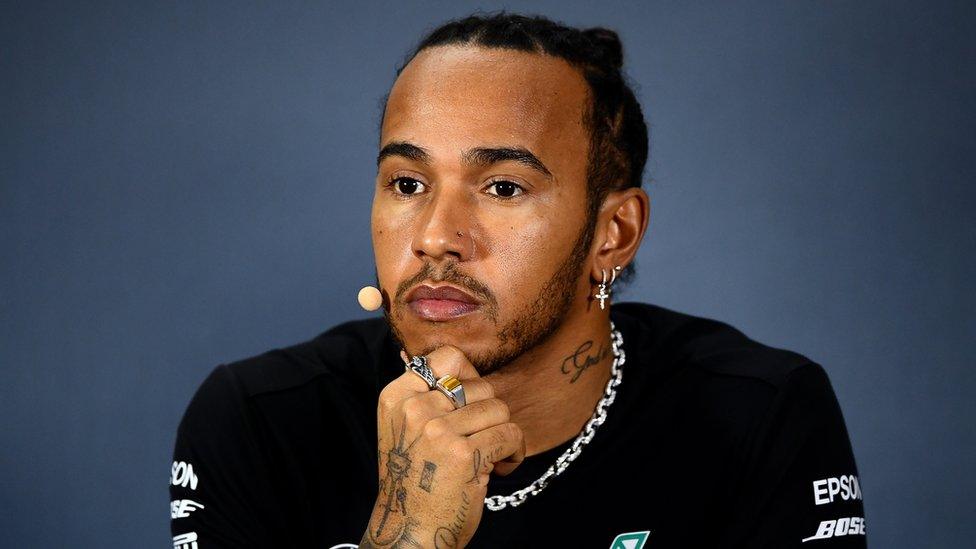
Lewis Hamilton is widely recognized as one of the most successful drivers in Formula 1 history. With seven world championships, more than 100 race wins, and a reputation for fierce competitiveness, his legacy on the track is already secure. Yet, in recent years, Hamilton has increasingly turned his attention to a different type of race—one against climate change. His efforts to adopt a more sustainable lifestyle, reduce his carbon footprint, and promote electric mobility have positioned him not only as a champion on the track but also as a pioneer for environmental responsibility in the sporting world.
A Conscious Shift
Hamilton’s decision to embrace sustainability was not made overnight. Like many athletes who live under the spotlight, he once enjoyed the luxuries that success could buy—private jets, high-performance supercars, and an extravagant lifestyle. But as environmental concerns became more pressing, Hamilton began to reflect on his own impact.
In interviews, he has admitted to feeling a personal responsibility to change his habits. “I realized I had to be part of the solution, not the problem,” he once explained. That realization sparked a series of lifestyle changes aimed at reducing his carbon footprint and setting an example for millions of fans around the world.
Lifestyle Overhaul
One of Hamilton’s most notable steps has been adopting a plant-based diet. He has spoken openly about the benefits, not only for the environment but also for his personal health and performance as an athlete. Plant-based living reduces greenhouse gas emissions linked to animal agriculture, and for Hamilton, it also aligns with his ethical stance on animal welfare.
Alongside diet changes, Hamilton sold his private jet in 2019, a decision that symbolized his commitment to cutting unnecessary emissions. While many celebrities continue to rely on private air travel, Hamilton’s choice signaled a willingness to prioritize environmental values over convenience.
Driving Change with Electric Vehicles
Perhaps the most symbolic shift in Hamilton’s journey has been his embrace of electric vehicles (EVs). Once known for his extensive collection of exotic cars, Hamilton has transitioned toward EV ownership, often promoting the technology as a crucial step toward reducing pollution and dependency on fossil fuels.
“I still love cars, but the future has to be electric,” he said in a past interview. “If we want to protect the planet, we all have to make changes.”
Hamilton has collaborated with manufacturers and supported projects aimed at accelerating the adoption of clean mobility. His visibility as an F1 driver—ironically, a sport built on fuel-powered engines—makes his advocacy particularly striking. For fans, it demonstrates that one can appreciate the thrill of motorsport while still working toward a greener future.
A Pioneer Among Athletes
Hamilton’s stance has earned him recognition as one of the first high-profile athletes to champion sustainability so visibly. While other public figures have spoken about environmental issues, few have taken such concrete steps in their personal lives and tied their identity so strongly to the cause.
This leadership has resonated with his fan base. Many supporters express pride in seeing Hamilton use his platform to highlight urgent global challenges. Social media is filled with comments celebrating his efforts, with fans noting that his actions inspire them to consider their own environmental impact.
Balancing Motorsport and Sustainability
Of course, Hamilton’s position is not without its complexities. Formula 1, by its very nature, revolves around high-speed cars powered by fuel, extensive logistics, and global travel. Critics have pointed out the apparent contradiction between advocating for sustainability while competing in a sport with a significant carbon footprint.
Hamilton, however, has addressed this tension directly. He acknowledges the contradictions but argues that his voice within the sport allows him to push for change from the inside. In recent years, Formula 1 has announced ambitious sustainability goals, including a plan to achieve net-zero carbon emissions by 2030. Hamilton has been vocal in supporting these initiatives, urging the sport to accelerate its transition to greener practices.
“I know F1 has a footprint,” he said, “but we have the power to innovate and to inspire change. If the fastest sport in the world can go green, it sends a powerful message.”
Influence Beyond the Track
Hamilton’s activism extends beyond cars and diet. He has invested in sustainable fashion projects, backed research on renewable energy, and frequently uses his social media platforms to raise awareness of climate issues. His presence at environmental events and his public statements have amplified discussions that reach audiences far beyond the traditional motorsport community.
This broad influence demonstrates Hamilton’s evolution into a cultural figure whose impact transcends racing. Like Muhammad Ali with civil rights or Billie Jean King with gender equality, Hamilton is shaping his legacy not only through athletic achievement but also through advocacy for a greater cause.
Fans’ Pride and Inspiration
For many fans, Hamilton’s environmental commitment adds depth to their admiration. They cheer not only for his victories on the circuit but also for his determination to lead by example off it. In forums and interviews, supporters often describe a sense of pride in following an athlete who embodies values they consider vital for the planet’s future.
Younger fans, in particular, appear to be inspired by Hamilton’s choices. Surveys and social media reactions suggest that his openness about adopting plant-based living and electric mobility has encouraged individuals to reconsider their own lifestyles. In this way, Hamilton’s influence operates as a ripple effect, multiplying his personal actions into collective impact.
Looking Ahead
Hamilton shows no signs of slowing down—neither in racing nor in his environmental advocacy. While he continues to chase an unprecedented eighth world title, he is equally vocal about his desire to see motorsport evolve into a cleaner, more responsible industry. His journey reflects the challenges of reconciling tradition with progress, but it also proves that even within a carbon-heavy sport, change is possible.
As Formula 1 advances toward sustainability goals, Hamilton’s leadership will likely remain central. His willingness to confront contradictions and push for innovation may ultimately help redefine what the sport represents in the 21st century.
Conclusion
Lewis Hamilton’s career has always been about speed, precision, and relentless ambition. Yet in the story of his life, his shift toward environmental responsibility may prove just as defining as his racing triumphs. By reducing his own carbon footprint, embracing electric mobility, and inspiring fans to think differently, Hamilton has positioned himself as more than a sports champion—he has become a champion for the planet.
In a world where climate change looms as one of the greatest challenges of our time, Hamilton’s example offers a reminder that every action counts. Whether on the track or in daily life, his message is clear: the race for a sustainable future is one we cannot afford to lose.