“I’m Losing My Freedom”: Abdullah Mason Addresses Harassment During Livestream
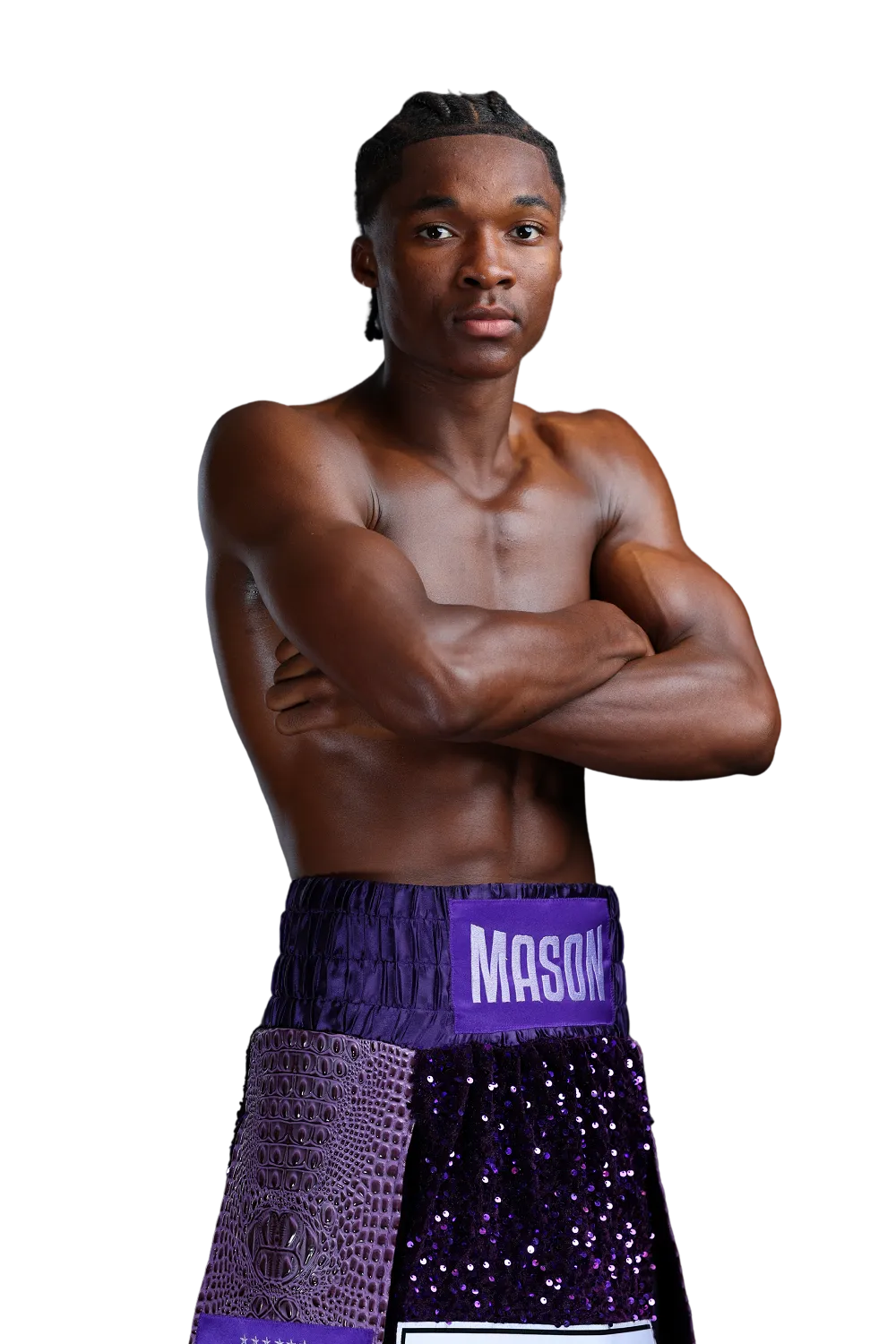
“I’m Losing My Freedom”: Abdullah Mason Addresses Harassment During Livestream
Abdullah Mason, one of boxing’s youngest and fastest-rising champions, has spoken publicly about a troubling reality behind his success. During a recent livestream, Mason addressed an escalating pattern of harassment, threats, and unsolicited fight challenges that he says are beginning to affect his personal safety and daily life.
What began as online messages has, according to Mason, crossed into something far more serious—creating a sense that his freedom is steadily disappearing as his profile continues to rise.
A Livestream That Turned Serious
The livestream was initially expected to be a casual interaction with fans, but Mason’s tone shifted as he opened up about what he has been dealing with privately. Calm but visibly frustrated, he described receiving a growing number of direct messages challenging him to fight, some of which included aggressive language and threats.
Mason emphasized that while he understands public attention comes with professional success, the nature and intensity of these messages have gone beyond acceptable limits. What concerned him most was not just the volume, but the persistence and escalation.
“This isn’t just trash talk anymore,” he explained. “This is becoming something that affects my real life.”
From Online Messages to Real-Life Fear
According to Mason, the harassment has begun to follow him offline. He revealed that even routine training sessions now attract unwanted attention, with individuals showing up uninvited, watching him closely, and attempting to provoke confrontations.
For a professional athlete whose career depends on focus, routine, and physical well-being, this environment has become increasingly stressful. Mason stated that he now has to think twice about simple activities—where he trains, how he moves, and who might be watching.
He described this shift as deeply unsettling, noting that training is no longer just preparation for competition, but something that now comes with safety concerns.
“I Feel Like I’m Losing My Freedom”
One of the most striking moments of the livestream came when Mason openly admitted how the situation has impacted his sense of personal freedom. He explained that fame, which once felt empowering, is now beginning to feel restrictive.
The boxer shared that he can no longer move as freely or comfortably as before, not because of official obligations, but because of fear that someone might try to harm him or force a confrontation.
“I didn’t sign up for this part,” Mason said, clarifying that while he accepts competition inside the ring, he refuses to normalize intimidation outside of it.
Drawing a Clear Line
During the livestream, Mason made his position unmistakably clear: the behavior must stop. He addressed those sending threats and challenges directly, stating that he has no interest in engaging with them and will not tolerate harassment disguised as fandom or bravado.
He stressed that professional boxing operates within strict regulatory structures. Fights are arranged through contracts, promoters, and governing bodies—not through social media messages or street-level intimidation.
By speaking publicly, Mason aimed to shut down any misconception that he would respond to provocation or be drawn into unsafe situations.
Warning of Legal Action
Perhaps the most serious part of Mason’s message was his warning that continued harassment would lead to legal consequences. He stated plainly that if the threats and intimidation do not cease, he will involve law enforcement and pursue formal action.
This was not presented as an emotional reaction, but as a necessary step to protect himself and those around him. Mason emphasized that no athlete should have to tolerate threats or feel endangered simply for doing their job.
His comments signal a shift from endurance to enforcement—a reminder that public figures are still entitled to safety and legal protection.
The Hidden Cost of Rapid Success
Mason’s experience highlights a broader issue faced by young athletes who rise quickly into the spotlight. Success can attract admiration, but it can also invite unhealthy obsession, entitlement, and hostility from individuals seeking attention or validation.
In combat sports especially, the line between admiration and aggression can blur. Mason’s case shows how dangerous that blur can become when boundaries are ignored.
Industry observers note that young champions often lack the buffer systems that veteran athletes develop over time, making them more vulnerable to this kind of pressure.
Support and Concern From the Community
Following the livestream, many fans and fellow athletes expressed concern and support for Mason. Messages of encouragement emphasized that speaking out was the right decision and that safety should always come before public expectations.
Several voices within the boxing community have called for greater awareness around athlete protection, especially in the age of social media, where access to public figures is often unchecked.
Mason’s decision to address the issue openly has been widely viewed as responsible rather than confrontational.
Protecting the Athlete Beyond the Ring
At its core, Mason’s message was not about fear—it was about boundaries. He made it clear that boxing belongs in the ring, under rules, supervision, and respect. Anything outside of that framework is unacceptable.
By setting firm limits and signaling willingness to involve authorities, Mason has taken a step toward reclaiming control over his life and career.
His situation serves as a reminder that athletic greatness should never come at the cost of personal safety.
A Champion Asking for Respect
Abdullah Mason did not use his platform to provoke or escalate. Instead, he used it to ask for something simple but essential: respect.
As his career continues to grow, his hope is that admiration will replace aggression, and that competition will remain where it belongs—inside the ring, under the law.
For now, Mason has drawn a clear line. And in doing so, he has reminded the sports world that no title, no fame, and no success should strip a person of their right to feel safe and free.