Former Bengals Star Rudi Johnson Dies at 45 in Apparent Suicide
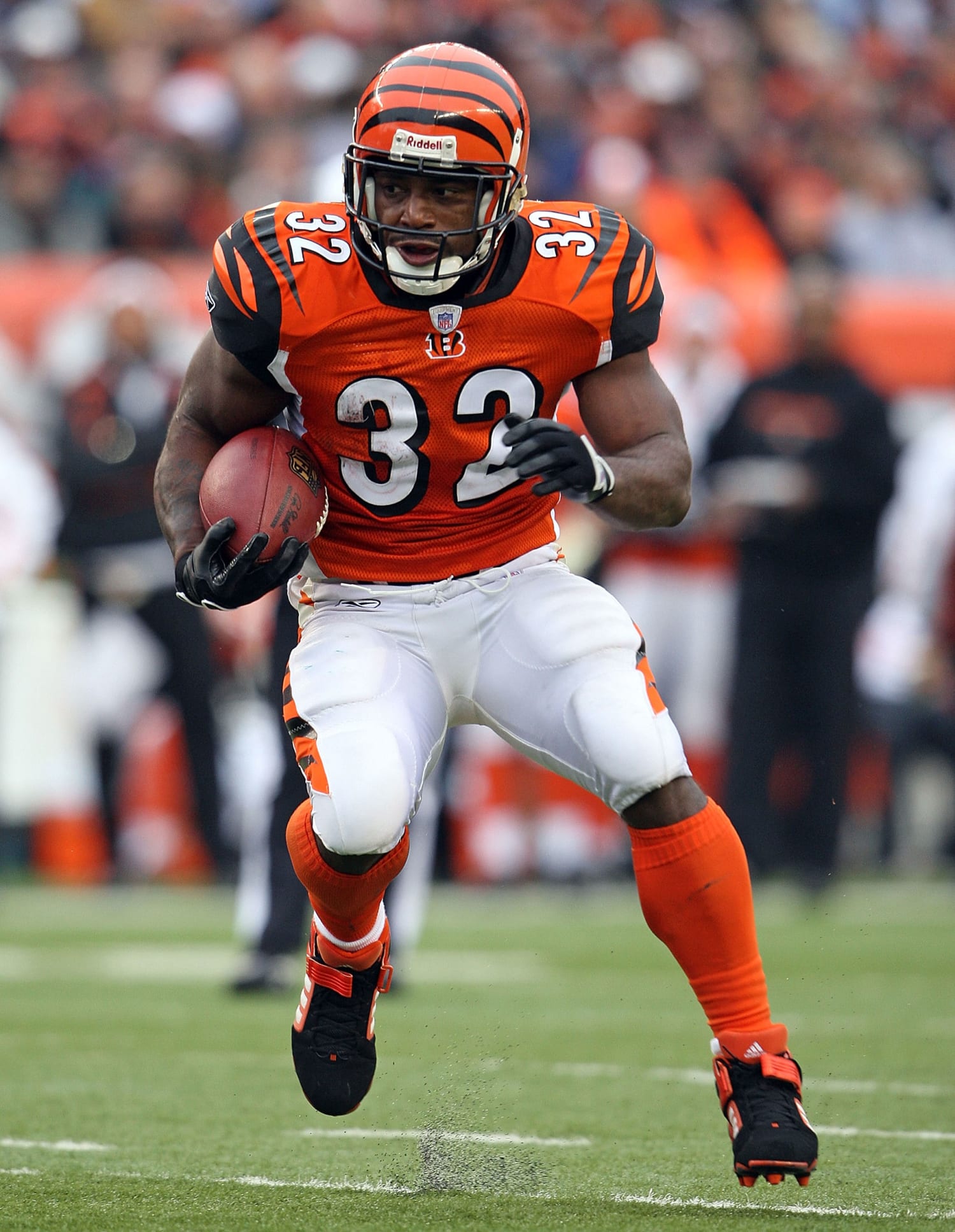
The football world is mourning the loss of former Cincinnati Bengals running back Rudi Johnson, who died at the age of 45 in what authorities are describing as an apparent suicide. Johnson, a Pro Bowl selection and one of the most consistent backs of his era, leaves behind a legacy as a central figure in the Bengals’ resurgence during the mid-2000s. His sudden passing has shocked fans, teammates, and the wider sports community.
A Force in Cincinnati’s Backfield
Rudi Ali Johnson, born October 1, 1979, in Petersburg, Virginia, made his mark in football early. After a standout career at Butler Community College and later Auburn University, where he rushed for over 1,500 yards in a single season, Johnson entered the NFL as a fourth-round pick by the Bengals in the 2001 draft.
Though his first two years were spent largely as a backup, Johnson’s patience and hard-nosed running style eventually earned him the starting role. From 2004 to 2006, he delivered three consecutive seasons with more than 1,300 rushing yards, establishing himself as one of the most reliable workhorse running backs in the league. His 2004 season, in which he set a Bengals franchise record with 1,454 rushing yards, remains one of the highlights of his career.
Johnson’s contributions were pivotal in helping Cincinnati return to playoff contention after years of mediocrity. In 2005, his steady ground game complemented quarterback Carson Palmer and wide receiver Chad Johnson (later Chad Ochocinco), propelling the Bengals to their first AFC North title since 1990.
Known for His Work Ethic
Teammates and coaches often described Johnson as a player who embodied toughness, discipline, and determination. At 5-foot-10 and over 220 pounds, he was not the fastest back, but he possessed a bruising style that wore down defenses. Fans grew to admire not only his production but also his personality — humble, grounded, and committed to his team.
“He wasn’t flashy, but he was exactly what we needed,” said former teammate T.J. Houshmandzadeh in a tribute posted online. “Rudi brought stability to the offense. You knew you could count on him to get the tough yards every Sunday.”
Head coach Marvin Lewis, who led the Bengals during Johnson’s prime years, once praised him for his consistency: “Rudi shows up to work the same way every day. He sets the tone for our team with his professionalism.”
Later Career and Retirement
After the 2007 season, Johnson’s time in Cincinnati came to an end, and he signed with the Detroit Lions in 2008. He played one year in Detroit before being released. Though his career ended earlier than many fans had hoped, Johnson retired with 5,979 rushing yards and 49 touchdowns in the NFL.
While he never reached the Hall of Fame conversation, his impact on the Bengals was undeniable. To this day, he remains one of the franchise’s all-time rushing leaders, remembered for bringing stability to a position that had been unsettled for years.
Reaction to His Passing
News of Johnson’s death spread quickly, sparking an outpouring of grief from fans, former teammates, and the broader NFL community. Social media filled with tributes celebrating not just his accomplishments on the field, but also his character off it.
Carson Palmer, his former quarterback, released a statement expressing heartbreak: “Rudi was more than a teammate — he was a brother. We built something special in Cincinnati together, and I’ll always cherish those memories. My prayers are with his family.”
The Bengals organization also issued a statement: “We are deeply saddened by the passing of Rudi Johnson. His contributions on the field were immense, but his kindness, humility, and leadership will be remembered just as much. Our thoughts are with his loved ones during this difficult time.”
Broader Discussion on Mental Health in Sports
Johnson’s apparent suicide has also renewed conversations about the pressures athletes face during and after their playing careers. For many former NFL players, the transition out of professional sports can be difficult, involving physical pain from injuries, loss of identity, and struggles with financial or emotional stability.
Sports psychologists note that high-profile deaths such as Johnson’s highlight the importance of providing long-term support for retired athletes. “The challenges don’t end when the playing career does,” said Dr. Michelle Thomas, a clinical psychologist specializing in athlete mental health. “There needs to be a stronger safety net to help players cope with life after football.”
Organizations like the NFL Players Association have launched wellness initiatives, but critics argue that resources remain insufficient. Johnson’s death may serve as another wake-up call for the league and the broader sports community to expand mental health outreach.
Remembering His Legacy
For Bengals fans, Rudi Johnson will always be remembered for his grit, reliability, and role in reviving a once-struggling franchise. His pounding runs, ability to move the chains, and steady presence made him a cornerstone of the team’s identity in the mid-2000s.
Beyond the numbers, however, Johnson’s story is one of perseverance. From humble beginnings in Virginia to becoming a Pro Bowl running back, he demonstrated what could be achieved with determination and hard work.
“Rudi may not have been the biggest star in the NFL, but for Bengals fans, he was a hero,” said longtime supporter Mark Williams. “He gave everything he had to the game, and we’ll never forget that.”
The Road Ahead
As the football community grieves, attention will also turn to how best to honor Johnson’s memory. There are already calls from fans to celebrate his contributions at future Bengals home games, with tributes ranging from video montages to jersey patches.
His death, though tragic, has underscored the bonds between players, fans, and the sport itself. Johnson’s career may have ended more than a decade ago, but his impact endures — not just in statistics, but in the memories he created for those who cheered him on.
For now, the sadness is palpable. A beloved player who helped lift a franchise has gone too soon, leaving behind both cherished memories and difficult questions.