Robert Redford: A Lasting Legacy in American Style
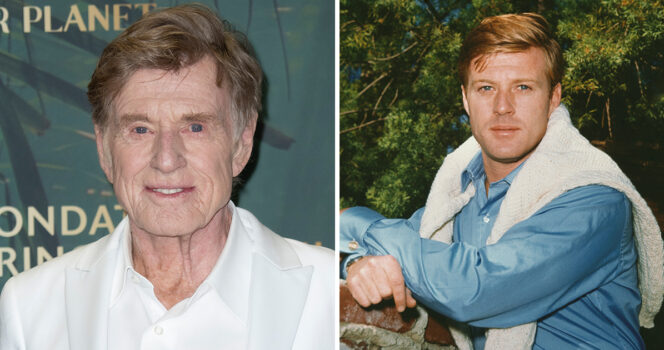
For more than half a century, Robert Redford has embodied the effortless charm and rugged sophistication that define American style. From his sun-bleached looks in Butch Cassidy and the Sundance Kid to the tailored elegance of The Great Gatsby, Redford’s wardrobe choices have become as iconic as his performances. His style was never about chasing trends, but about refining simplicity—denim and boots, linen shirts, sharp blazers—clothing that reflected authenticity. Today, his influence continues to inspire designers and actors alike, cementing his place as not only a Hollywood legend but a timeless fashion icon.
The Roots of Rugged Elegance
Born in Santa Monica, California, in 1936, Redford grew up surrounded by a culture that valued outdoor living. Surfing, hiking, and baseball were as much a part of his youth as school. That foundation in the natural world helped shape a personal style that always emphasized comfort, durability, and understated elegance.
Unlike many of his contemporaries who embraced polished Hollywood glamour, Redford leaned into an aesthetic that was practical yet undeniably charismatic. A simple denim jacket, a flannel shirt, or a pair of well-worn boots could appear on screen or off, and they carried the same weight of authenticity. His look was never contrived. It was, in the truest sense, lived-in.
Sundance Cool: The Birth of a Style Icon
When Butch Cassidy and the Sundance Kid premiered in 1969, audiences were captivated not only by Redford’s performance but by the casual, dusty cool of his wardrobe. The movie cemented him as a new kind of American hero—rugged yet refined, a man who could ride a horse through the desert but still carry an air of sophistication.
That balance between roughness and elegance became the hallmark of what many now call “Sundance style.” Redford’s layered vests, work shirts, and weathered hats echoed the American frontier, while his calm demeanor elevated the look to something aspirational. This wasn’t costume—it was character, and in many ways, it was Robert Redford himself.
The Gatsby Effect
By the mid-1970s, Redford had proven that his fashion versatility matched his acting range. In The Great Gatsby (1974), his transformation into Jay Gatsby introduced audiences to a different side of his style legacy. The crisp linen suits, pastel shirts, and perfectly tied bow ties created an image of sophistication that contrasted sharply with the ruggedness of Sundance.
The Gatsby wardrobe showcased Redford’s ability to embody elegance without appearing fussy. The cream-colored suit became one of the most enduring images of 1970s cinema, influencing men’s fashion long after the film’s release. Designers praised the way he wore clothes—not as ornaments, but as natural extensions of his character.
Off-Screen Authenticity
What made Redford’s style so resonant was the fact that it was never confined to the screen. Off-screen, his wardrobe carried the same hallmarks: simplicity, comfort, and an outdoor sensibility.
Redford was often seen in corduroy jackets, plaid shirts, and weathered jeans—garments that spoke to his love of the American West and his connection to nature. At Sundance, the film festival he founded in Utah, he was as likely to be spotted in hiking boots as in tailored coats. This refusal to put on airs reinforced his authenticity. He wasn’t dressing for cameras; he was dressing for life.
The Political Edge of Style
Redford’s wardrobe choices were never about vanity alone. As an activist and environmentalist, he often used fashion to reinforce his values. Choosing natural fabrics, practical attire, and unfussy clothing reflected his rejection of excess and his embrace of sustainability long before it became fashionable.
In interviews, he frequently emphasized the importance of staying true to oneself. His style was not about impressing others but about comfort, honesty, and practicality—qualities that made him relatable despite his fame.
Influence on Designers and Actors
Fashion houses have long drawn inspiration from Redford’s understated elegance. Brands like Ralph Lauren built entire campaigns around the rugged-yet-refined look that Redford popularized. The synergy was most evident in The Great Gatsby, where Lauren’s designs perfectly matched Redford’s embodiment of modern American aristocracy.
Actors who followed—Brad Pitt, Leonardo DiCaprio, Matthew McConaughey—have all been compared to Redford in both looks and style. His legacy is evident in the casual-yet-chic wardrobes of today’s Hollywood leading men, many of whom echo his preference for neutral tones, tailored lines, and natural fabrics.
Timelessness in an Age of Trends
What makes Robert Redford’s fashion legacy so enduring is its resistance to trend cycles. While styles have come and gone—bell bottoms, power suits, oversized logos—Redford’s look has remained remarkably consistent.
A Redford-inspired wardrobe today would not look dated: a tailored blazer, a crisp white shirt, well-fitted jeans, leather boots. These staples transcend time because they are rooted in authenticity, not fashion gimmicks. His style demonstrates that elegance often lies in simplicity.
Aging with Grace
As Redford aged, his wardrobe evolved but never lost its essence. In later years, he favored turtlenecks, simple sweaters, and sport coats—choices that exuded quiet confidence. His silver hair and weathered face only enhanced the sophistication of his attire.
Unlike some stars who attempt to chase youth through fashion, Redford embraced maturity. His wardrobe choices communicated wisdom, grace, and dignity, proving that style does not fade with age but can deepen, like character.
Conclusion: The Redford Legacy
Robert Redford’s fashion legacy is not just about clothes. It is about the embodiment of values—authenticity, simplicity, and timeless elegance. From the dusty landscapes of Butch Cassidy to the opulent mansions of The Great Gatsby, his wardrobe reflected the many facets of American identity: rugged frontier spirit, sophisticated modernity, and grounded authenticity.
Today, Redford’s influence lingers not only on screen but in the wardrobes of men who value understated confidence. He remains a touchstone for designers, actors, and anyone seeking to understand the essence of American style.
In a world where trends shift with dizzying speed, Robert Redford stands as proof that true style is not about reinvention—it is about remaining true to oneself. His legacy endures, woven into denim, linen, and timeless elegance, a reminder that fashion fades, but style, when authentic, is forever.