Spain Becomes First of Eurovision’s ‘Big Five’ to Announce Boycott if Israel Participates
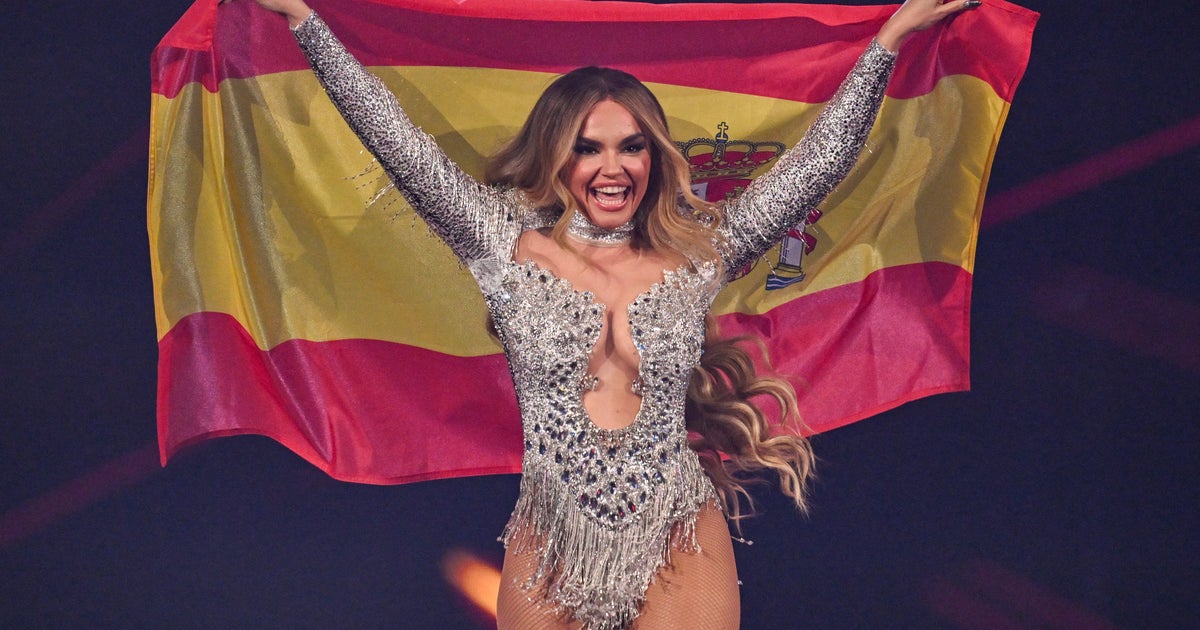
The Eurovision Song Contest, one of Europe’s most celebrated cultural events, has been thrust into political turmoil after Spain declared it will not participate if Israel is allowed to compete. The announcement makes Spain the first of the contest’s influential “Big Five” nations—alongside France, Germany, Italy, and the United Kingdom—to take such a stance. The move has sparked intense debate, raising questions about Eurovision’s future, its founding values, and the growing intersection of music and geopolitics.
A Bold Declaration
Spain’s national broadcaster confirmed the decision in a statement that reverberated across Europe. The declaration came amid mounting international criticism of Israel’s actions in Gaza and broader Middle Eastern conflicts. While Eurovision has long billed itself as a celebration of music “beyond politics,” the Spanish decision underscores how global crises can penetrate even entertainment’s most glittering showcases.
“We cannot ignore the context,” the broadcaster said. “Eurovision is about unity and peace. To allow Israel to compete under current circumstances would contradict those principles.”
This announcement makes Spain the first powerhouse nation within the Big Five—countries that contribute the most funding to the contest and enjoy automatic qualification for the final—to openly challenge Israel’s presence.
Eurovision and Its Political Tensions
Eurovision has always been more than just a song contest. Since its founding in 1956, it has been a symbol of European cooperation and cultural exchange. But politics have frequently intruded. Nations have occasionally withdrawn in protest, used their performances to make political statements, or seen their voting patterns influenced by geopolitics rather than music.
In recent years, Israel’s participation has been particularly controversial. The country has been part of Eurovision since 1973 as a member of the European Broadcasting Union (EBU), despite not being geographically in Europe. While Israel has celebrated notable victories, including in 2018 with Netta’s “Toy,” critics argue its inclusion is inappropriate during times of conflict.
Spain’s announcement reignites debates over whether Eurovision can realistically remain apolitical in an increasingly polarized world.
Reactions Across Europe
The Spanish declaration has divided opinion across the continent. Supporters of the boycott hail it as a principled stand against perceived double standards, arguing that cultural platforms should not be immune to accountability.
“Spain has shown courage,” said one European activist. “Eurovision cannot claim to promote peace while ignoring war crimes.”
Others, however, warn that politicizing Eurovision undermines its spirit. “The contest should remain about music, not politics,” said a former Eurovision producer. “Once countries start withdrawing for political reasons, Eurovision risks collapsing under its own contradictions.”
Public opinion has been equally split. On social media, hashtags supporting Spain’s move trended across platforms, while Eurovision fans expressed concern that the boycott could unravel the very foundations of the contest.
What This Means for the ‘Big Five’
The Big Five—Spain, France, Germany, Italy, and the UK—hold disproportionate influence in Eurovision due to their financial contributions. Their automatic spots in the grand final are both a privilege and a responsibility, ensuring their voices carry weight.
Spain’s boycott threat raises pressure on the other four. France, in particular, has historically aligned with Spain on cultural diplomacy and may face calls to follow suit. Germany, Italy, and the UK are also under scrutiny from both domestic and international audiences.
If even one more Big Five nation joins Spain’s stance, Eurovision 2025 could be plunged into crisis. The absence of these key players would severely undermine the contest’s legitimacy, finances, and audience appeal.
Israel’s Response
Israel’s Eurovision delegation expressed disappointment at Spain’s decision, defending its right to participate as a longstanding EBU member. “Eurovision is a stage for culture, not politics,” the delegation said. “We believe music has the power to unite, not divide.”
Officials also pointed out that Eurovision has historically included countries in conflict, emphasizing that the contest should remain a neutral ground. “We respect Spain’s opinion,” one Israeli spokesperson added, “but we hope the EBU will uphold its founding principles and ensure inclusivity.”
The EBU’s Delicate Position
The European Broadcasting Union now faces one of the most challenging moments in Eurovision’s modern history. While the EBU has consistently maintained that Eurovision is apolitical, recent years have tested that claim. In 2022, Russia was banned following its invasion of Ukraine—a precedent that critics now cite in demanding similar treatment of Israel.
The EBU has so far remained cautious, reiterating its commitment to cultural dialogue. “Eurovision is not a political platform,” an official statement read. “We are reviewing the situation carefully.”
But Spain’s boycott has raised the stakes, making it harder for the EBU to avoid a definitive decision.
Cultural Diplomacy in the Spotlight
The controversy highlights the growing role of cultural diplomacy in global politics. Music, sports, and art festivals have increasingly become arenas where political conflicts play out. From Olympic boycotts to debates over World Cup hosts, international events are no longer insulated from political scrutiny.
For Eurovision, which brands itself as “celebrating diversity through music,” the challenge is particularly acute. Can the contest maintain credibility as a unifying event while allowing participation from nations embroiled in contentious conflicts? Or must it adapt, acknowledging that neutrality is no longer possible?
What Comes Next
Much depends on how other Big Five members respond. If Spain stands alone, the boycott may remain symbolic, though still disruptive. If others join, Eurovision could face its most significant legitimacy crisis in decades.
Fans, meanwhile, remain uncertain. Many hope the dispute can be resolved without undermining the contest itself. “Eurovision has always been my escape,” one long-time fan wrote online. “I don’t want politics to ruin it—but I also don’t want the contest to ignore reality.”
The countdown to Eurovision continues, but with Spain’s bold move, the stage is set for a showdown that could redefine the contest for years to come.
Conclusion
Spain’s announcement that it will boycott Eurovision if Israel participates has shaken the foundations of Europe’s most glittering cultural spectacle. As the first of the Big Five to take a stand, Spain has forced the EBU, fellow nations, and audiences to confront a question that can no longer be ignored: can Eurovision truly remain apolitical in a deeply political world?
The answer may not only determine the fate of Eurovision 2025 but also reshape the role of cultural events in navigating global conflicts. For now, one thing is clear—Eurovision is no longer just about songs; it has become a stage where the politics of the world echo louder than ever.