The Governess Who Told Too Much: Marion Crawford and the Price of Betraying the Palace
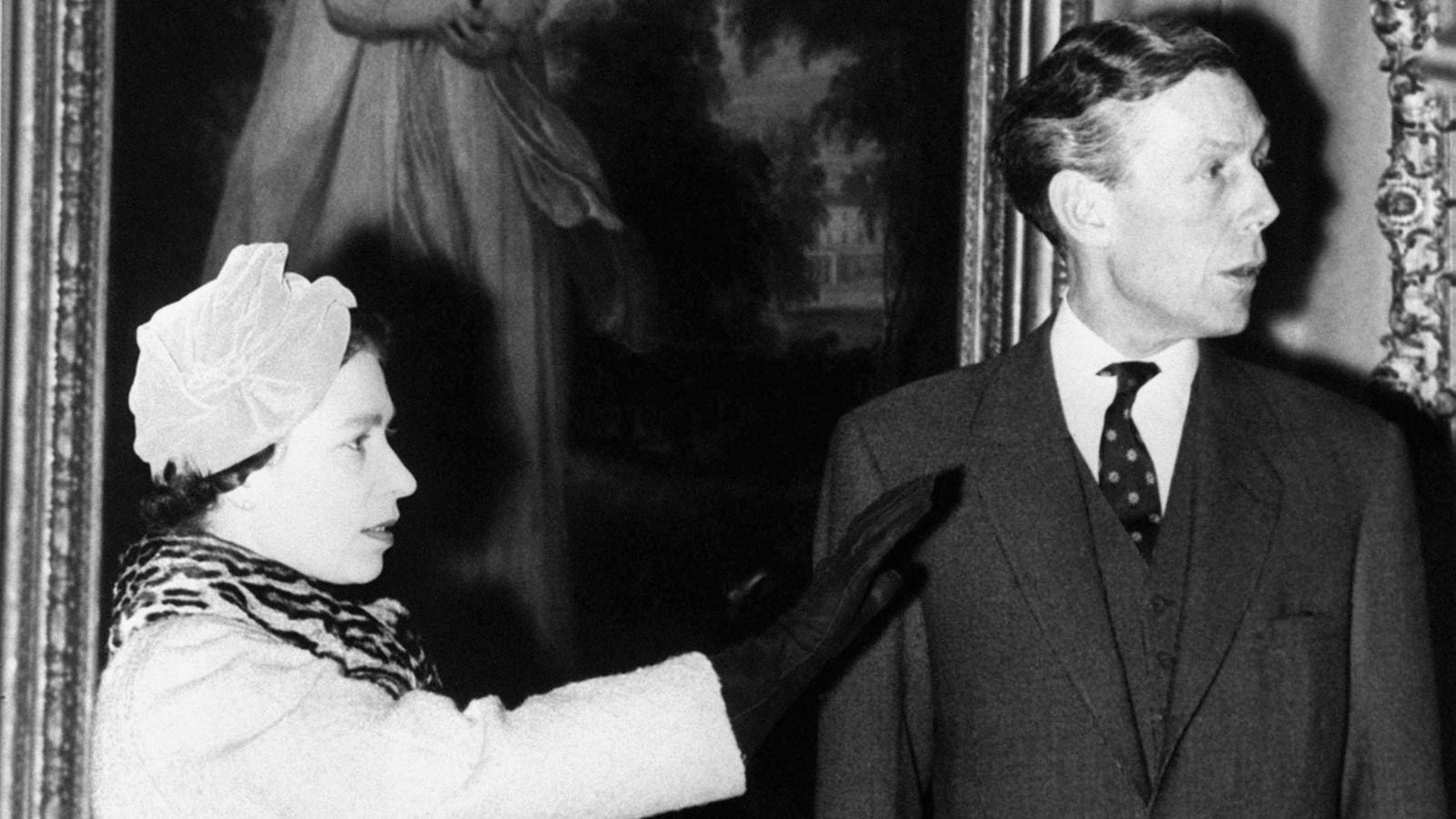
In the grand tapestry of British royal history, some names sparkle with admiration while others fade into the shadows. One such figure, often forgotten yet central to the upbringing of two of the most famous women of the twentieth century, is Marion Crawford. For sixteen years, she was more than just a governess—she was a surrogate mother, a mentor, and a constant presence in the childhood of Princess Elizabeth, the future Queen Elizabeth II, and her younger sister, Princess Margaret. Yet her story ended not in celebration, but in exile.
Marion Crawford’s fall from grace remains one of the most striking cautionary tales about life within the royal household. It reveals not only the rigid codes of loyalty demanded by the monarchy but also the human cost of stepping outside the palace walls with secrets—however innocent—meant to remain private.
A Dedicated Governess
Born in 1909 in Scotland, Marion Crawford was a trained teacher who initially aspired to work in deprived communities. In 1931, she accepted a temporary assignment as governess to the daughters of the Duke and Duchess of York—later King George VI and Queen Elizabeth (the Queen Mother). That “temporary” role lasted for more than sixteen years.
Crawford quickly became beloved by her young charges, Princess Elizabeth and Princess Margaret. She was innovative in her teaching methods, combining academic lessons with experiences that broadened the girls’ worldview. Determined that her royal pupils would not grow up detached from ordinary life, she arranged for them to swim at public pools, shop in Woolworths, and even ride the London Underground.
Such simple outings were revolutionary at the time. The monarchy was often criticized for being aloof and out of touch, but Crawford quietly instilled in Elizabeth and Margaret an awareness of life beyond the palace gates. These lessons in humility and relatability would later become hallmarks of Queen Elizabeth II’s reign.
Writing the Memoir
By the late 1940s, after Princess Elizabeth’s marriage to Philip Mountbatten and with the prospect of motherhood on the horizon, Crawford began planning her retirement. She had given her life to the royal household, and though grateful, she hoped to settle into her own cottage on the Windsor estate and perhaps finally pursue her original dream of social work.
In 1950, she was approached by an American magazine and a publisher with the idea of writing about her experiences as governess to the princesses. At first reluctant, Crawford was persuaded that a lighthearted, affectionate account would be harmless—and perhaps even beneficial—in showing the royal family’s human side.
Her memoir, titled The Little Princesses, was filled with charming anecdotes: Elizabeth patiently lining up for the Underground, Margaret giggling during lessons, both girls playing pranks like any other children. The public adored it. The book became a bestseller, praised for its warmth and its insight into royal childhood.
But inside the palace, the reception was icy.
The Royal Reaction
For the Queen Mother, who valued discretion above all else, Crawford’s book was seen not as a gift to history but as a betrayal of trust. No matter how innocent the stories seemed, the act of publishing intimate details of the princesses’ upbringing violated an unspoken contract of silence that defined royal service.
The response was swift and unforgiving. The Queen Mother severed all contact with Crawford, reportedly never speaking to her again. The royal family distanced themselves completely. Crawford lost her grace-and-favor cottage near Windsor, a home she had expected to enjoy in retirement.
Friends and contemporaries describe her as devastated by the rupture. She had given her youth and energy to the family, only to be cast aside with scarcely a word of gratitude. What she had intended as a fond tribute became, in the palace’s eyes, an unforgivable indiscretion.
A Lonely Ending
The decades that followed were marked by decline. Marion Crawford lived quietly, away from the public eye, under a pseudonym. Though she occasionally appeared in newspaper features, she never regained the affection of the royal household.
In 1988, at the age of seventy-eight, she died alone, largely forgotten. No member of the royal family attended her funeral. The woman who had played such a crucial role in shaping the early lives of Queen Elizabeth II and Princess Margaret slipped into history’s margins, remembered only in footnotes.
Legacy and Reflection
Today, Marion Crawford’s story prompts questions about loyalty, service, and the boundaries of privacy. Was she truly guilty of betrayal, or merely ahead of her time in offering the public a glimpse of royal life?
Modern royal watchers may note the contrast: in an age when princes give televised interviews, documentaries stream on Netflix, and even memoirs from within the family make headlines, Crawford’s gentle tales seem tame by comparison. Yet in 1950, the monarchy still relied heavily on mystique and distance from the public.
Her book, The Little Princesses, inadvertently marked a turning point. It showed ordinary people that the future queen and her sister had laughed, played, and learned like any other children. It humanized the monarchy in a way no official portrait or ceremony could. Ironically, the very qualities that made the book beloved by the public were the reasons Crawford was cast out.
Conclusion
Marion Crawford’s life is a reminder that service within the royal household comes with invisible chains—chains of loyalty, silence, and discretion that, once broken, can never be mended. She was not a scandalous figure, nor did she reveal state secrets. Instead, she told bedtime-story versions of royal life, warm and affectionate, but in doing so crossed a line that the monarchy could not forgive.
Her fate may seem harsh, even cruel. Yet it underscores the weight the institution places on loyalty. In giving her story to the world, Crawford lost the only family she had ever known.
For the young princesses she raised—Elizabeth, who would reign for seventy years, and Margaret, forever remembered as the spirited younger sister—the lessons of Crawford’s fall were surely not lost. Silence, discretion, and duty would remain the cornerstones of their public lives.
And so Marion Crawford, once the heart of the nursery at Buckingham Palace, ended her days as an exile. Her story, rediscovered in recent years, serves as both a tribute to her devotion and a warning of the steep price of breaking royal trust.